An afternoon at a museum can turn into dinner across town, a delayed train, and a phone running navigation with very little battery left. A power bank helps when the day gets longer than expected. Yet a heavy battery left in a drawer offers less protection than a modest one that fits the bag you carry every day.
Consider a parent organizing tickets, photos, and directions during a family outing. Their priority is keeping the phone useful until everyone reaches home. A person working at a café may instead need to top up a tablet and laptop. Those are different purchases. Decide which failure you are trying to prevent before comparing capacities.
Capacity is a planning number, not a recharge promise
Milliamp-hour ratings describe the battery inside the power bank under particular conditions. They are not a direct count of full phone charges. Conversion losses, phone use during charging, battery age, temperature, and the devices’ voltages affect the result. Avoid dividing two marketing numbers and treating the answer as guaranteed runtime.
For an ordinary phone day, a compact battery can provide a useful safety margin. A larger bank may be appropriate for two people, overnight travel, or a tablet. But added capacity also brings weight and longer replenishment time. Check grams and dimensions alongside capacity; compare them with the compartment where the bank will actually live.
If navigation and a camera are essential, start charging before the phone reaches a critically low level. That reduces the temptation to handle a nearly empty phone while it is tethered awkwardly. Carrying power is only one part of planning: downloaded directions and accessible tickets also reduce dependence on a network connection.
Match charging power to the device
A phone that accepts modest charging power gains little from a much higher output rating. A compatible laptop, on the other hand, may need more power than a small phone-oriented bank provides during active use. Check the device’s own documentation and the bank’s output table, including what changes when several ports are occupied.
The Anker Nano Power Bank with built-in USB-C cable is an example worth comparing for phone-oriented travel. Its manufacturer lists a 10,000mAh capacity, an integrated USB-C cable, and up to 30W single-port USB-C charging. Those are specification claims, not a promise of a particular number of phone recharges or a recommendation for every laptop.
Anker’s listing separates single-port maximum output from combined output. Read both. If a family connects a second device, expect the available power to be shared according to the product’s documented limits. Prioritize the device needed for tickets or directions rather than trying to charge everything equally.
Integrated cable or replaceable cable?
A built-in cable reduces the chance of leaving the only useful cable behind. It is convenient when you regularly charge the same USB-C phone. Its disadvantage is that cable wear becomes part of the battery’s useful life, and its length may be awkward in a coat pocket. Check whether the bank also has a separate output for your existing cables.
A replaceable cable offers flexibility across connectors and is easier to swap if damaged. The cost is another small item to remember. A short cable suits a phone resting beside the bank inside a bag; a longer one allows you to hold the phone while the bank stays in a pocket. Neither arrangement should pull on the socket.
Wireless portable charging can remove a cable from the setup, but it also introduces alignment, case, and heat considerations. For a long outdoor day, wired charging is often the simpler choice to evaluate. Magnetic attachment by itself does not establish the supported wireless protocol or charging speed.
Recharging the bank matters too
The output figure says how a bank charges other devices. Input says how it replenishes its own battery. If you use it during an evening commute and need it again the next morning, compatible input power may matter more than another spare output socket.
Check whether a wall adapter is included. Price the complete kit: battery, appropriate cable, and any charger you still need. If you already own a suitable adapter, there may be no reason to buy a bundle. Establish one charging location at home so the bank becomes part of your routine rather than a device that is always empty when needed.
Pack for the actual journey
For flights, confirm current airline and aviation rules before packing; restrictions and onboard-use requirements vary. Use the printed battery information, not an improvised capacity calculation. Keep the model number readable, and check the manufacturer’s notices for your exact unit before taking it on a trip.
Keep a power bank away from hot car interiors, moisture, and loose metal objects. Follow the supplied care instructions. A damaged, swollen, or unusually behaving battery should be taken out of use and handled through the manufacturer’s guidance. Everyday convenience is not a reason to ignore the condition of a rechargeable battery.
Choose the smallest kit that covers the gap
Write down your phone connector, intended second device, likely charging window, and maximum comfortable weight. Then compare two or three identified products against that list. Favor a retailer that makes the model and return terms clear. Check current price rather than relying on a headline discount.
Buy a larger bank when the extra capacity solves a repeatable need. Buy a smaller bank when portability determines whether you carry it. Keep a compatible cable beside it and recharge after meaningful use. For the home end of that routine, see our travel charger checklist and our guide to bedside wireless charging.
EXPLORE THE OPTIONS
Products worth a closer look
Compare the current specifications, local availability, and returns policy before deciding.
Anker Nano Power Bank (30W, Built-In USB-C Cable)
Best fit: Phone charging during commuting or a day out; People who regularly forget a separate USB-C cable.
Why consider it: Integrated cable simplifies a phone charging kit; Additional USB-C and USB-A connections provide flexibility.
The tradeoff: Combined output differs from the single-port maximum; An integrated cable is less convenient to replace; Not a universal active-laptop power solution.
Sources & editorial notes
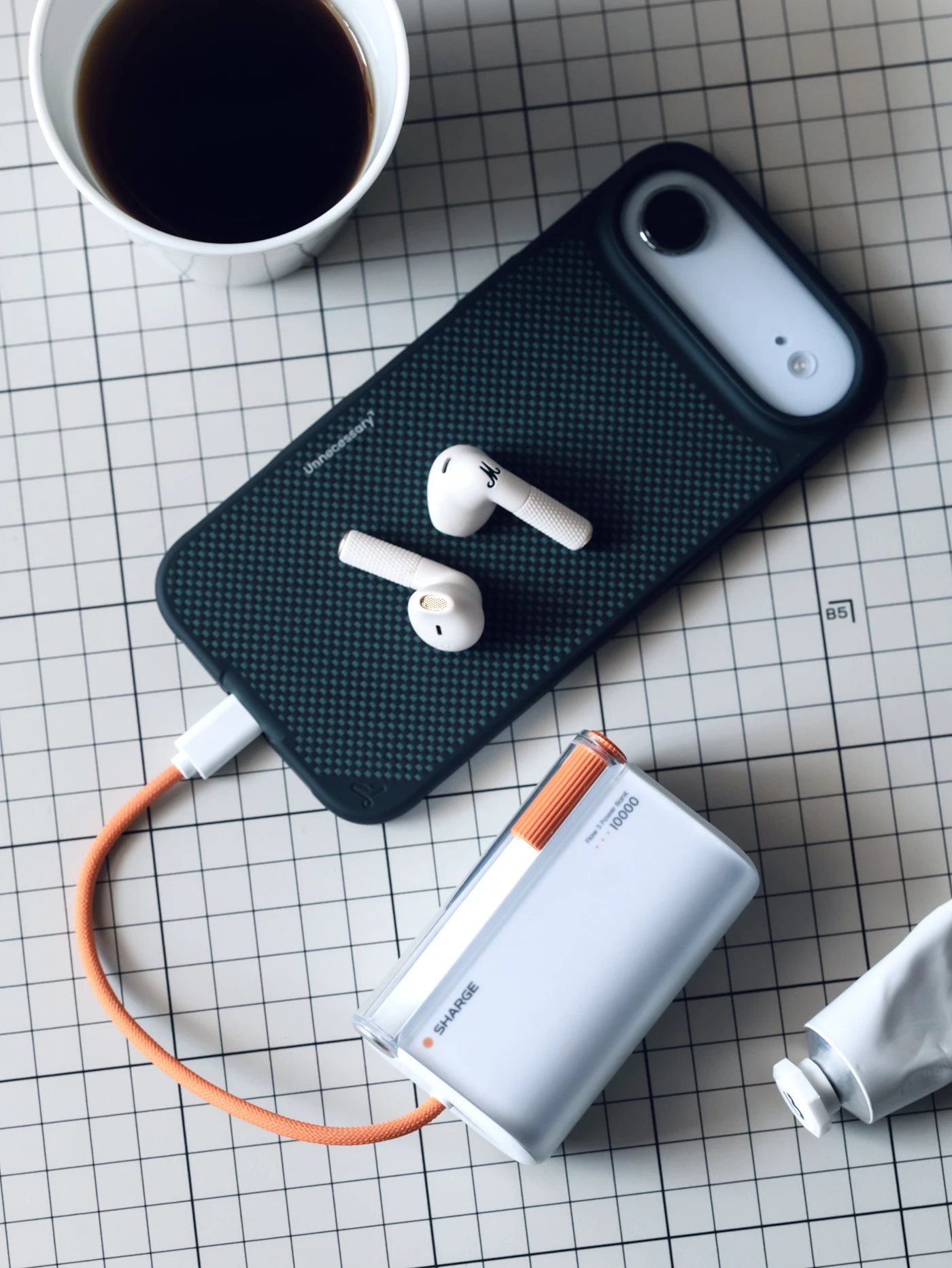
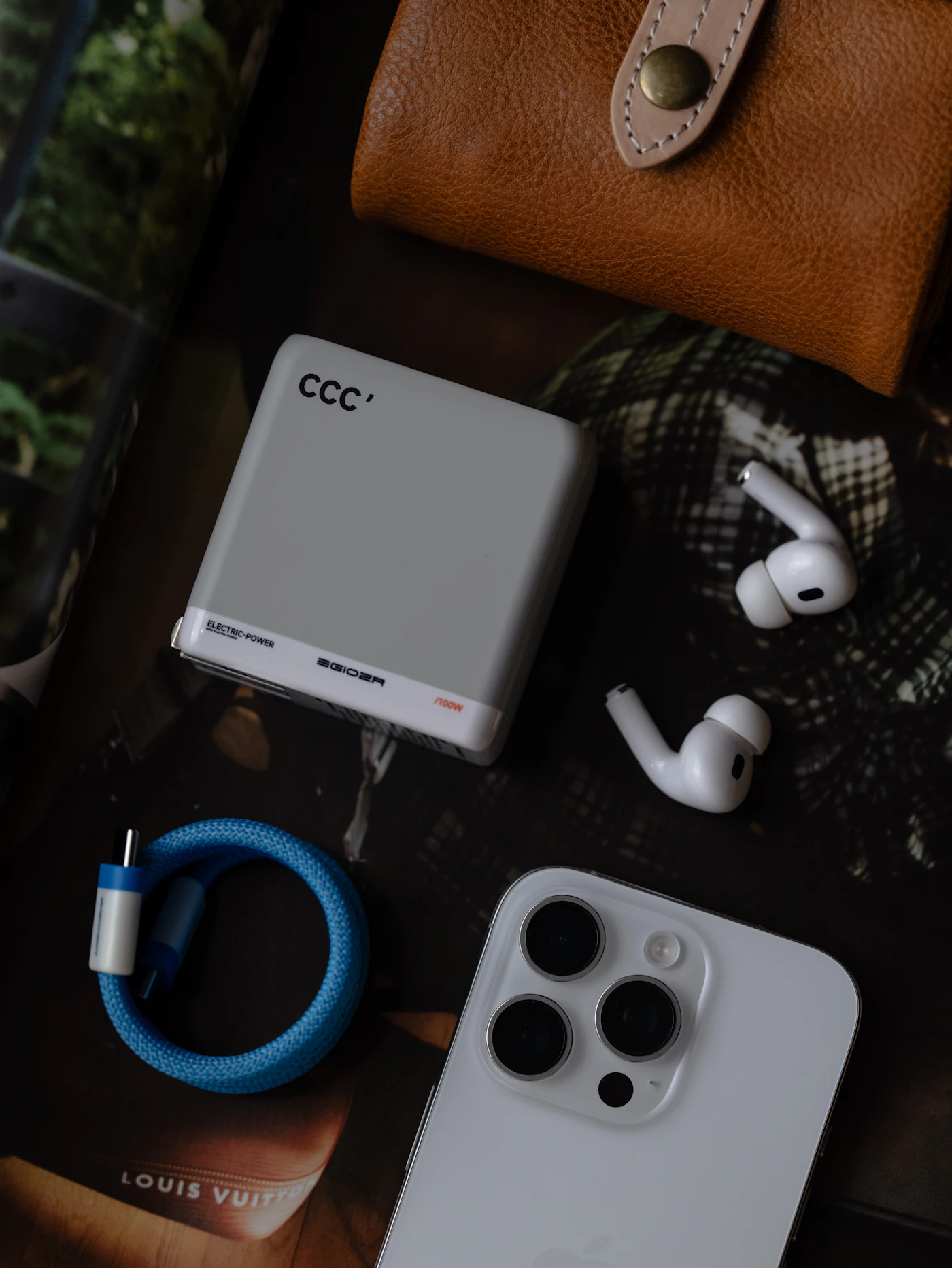
Manufacturer information checked on October 4, 2026. Features can vary by model and country. Confirm the exact version before purchasing. Lifestyle photos illustrate the setting; they do not document product testing.
Read our editorial policy