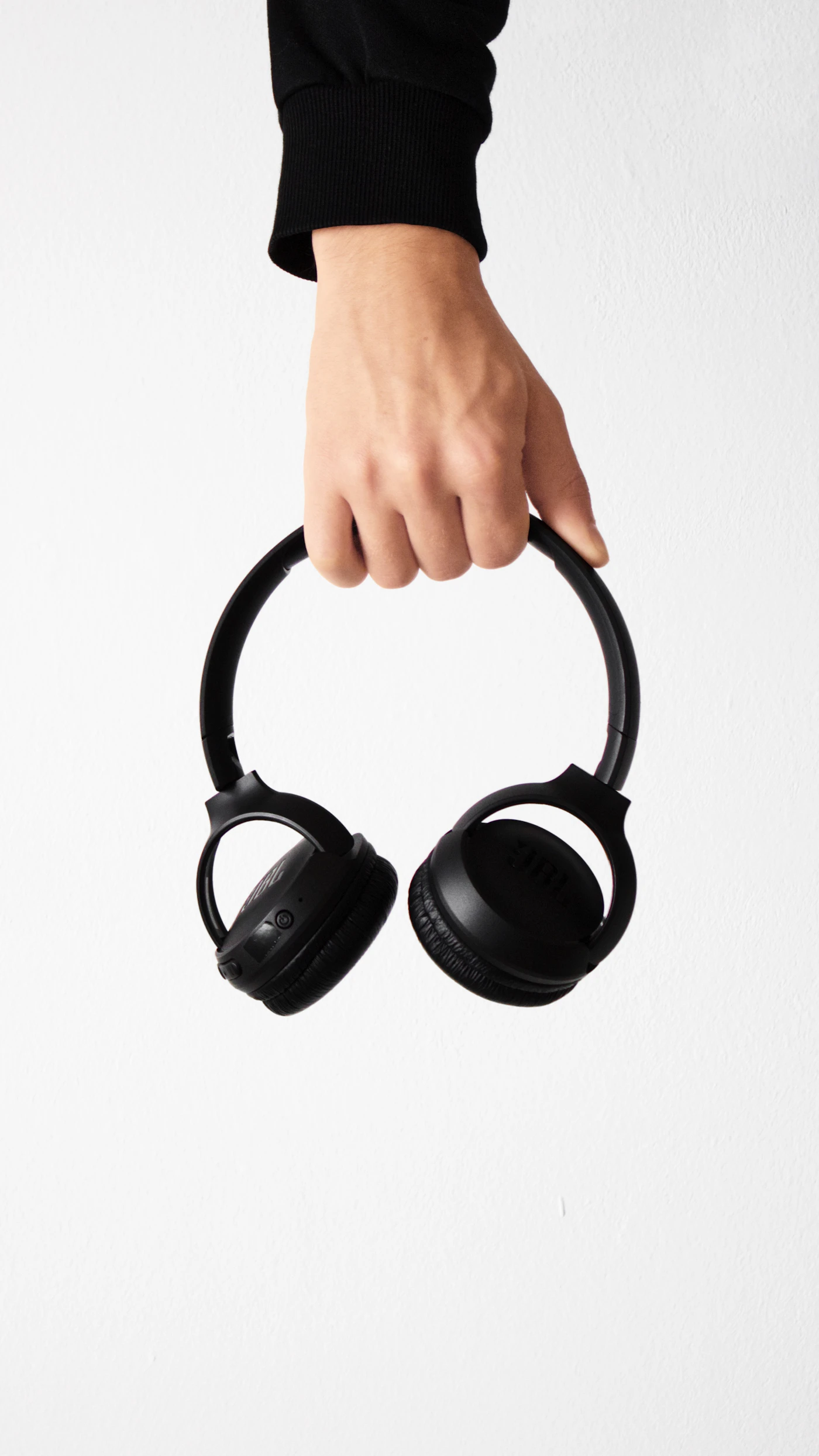

A dishwasher hums behind your home desk while someone across the room opens a packet of snacks. Both sounds are distracting, but they are not the same problem. This distinction explains why a headphone described as noise cancelling can feel useful in one setting and less impressive in another. Buying by the label alone leaves out the noise you actually want to reduce.
Active noise cancellation uses microphones and electronic processing to counter incoming sound. Passive isolation comes from the physical arrangement of tips, pads, and the headphone enclosure. Many sealed wireless headphones use both. Neither creates a completely silent world, and neither label proves the quality of a particular product.
Identify the noise, then the budget
Start with the room or journey where you will use the headphones most. Is the main annoyance a continuous engine sound, overlapping conversation, or a series of short interruptions? Does the headphone fit comfortably before its electronics are switched on? The answers help decide whether ANC is worth paying for.
| Situation | Sensible first check | Buying implication |
|---|---|---|
| Long rail or coach ride | Try ANC with familiar audio | ANC is worth comparing within your budget |
| Quiet room with occasional conversation | Check the physical fit and pause controls | A good everyday fit may matter more |
| Desk next to constant equipment noise | Compare listening modes in that location | Avoid relying on store conditions alone |
| Evening TV with speakers muted | Verify the TV connection | Noise cancellation may not be the main requirement |
| Calls from a busy kitchen | Check the outgoing microphone separately | Listener ANC does not establish call quality |
This table describes how to shop, not how much noise a given headphone removes. We have not measured isolation, cancellation, or microphones. Published manufacturer features provide the starting point; the personal suitability check remains yours.
Fit is part of the system
A sealed earbud that sits loosely may behave differently from the same earbud with a comfortable, consistent fit. Over-ear pads also need to sit around the ears without obvious gaps. Glasses, a thick hat, or hair trapped under a pad can change that arrangement.
Before judging a cancellation mode, adjust the headband or try the supplied tip sizes. Do not force a fit that feels unpleasant. If a headphone needs constant repositioning just to feel right, it may be the wrong shape for you, whatever its processing features promise. The best return-window comparison includes the clothing and frames you actually wear.
Three product approaches to compare
Sony lists active cancellation and ambient sound features for the WH-1000XM6. It is a useful shortlist example for buyers seeking several electronic listening modes in an over-ear form. That specification establishes the features, not a measured advantage over competing headphones.
Audio-Technica describes the ATH-M50x as a closed-back wired headphone. Its physical enclosure and ear pads provide the relevant approach here without requiring an ANC battery. That can be appealing at a desk if you prefer a simple cable connection and are not primarily buying for transport noise.
For TV listening, Sennheiser’s current RS 275 specification explicitly lists no active noise cancellation. It is still a legitimate personal-audio option because its purpose includes a transmitter connection to the television. Buying the right connection can matter more than buying an unrelated cancellation feature.
Separate listening noise from microphone noise
The people on your video meeting hear the microphone feed, not what your ears experience inside the cups. A headphone that makes a room feel quieter to you may still transmit keyboard taps or nearby speech. Likewise, software microphone filtering can help a meeting without changing the headphone’s passive seal.
If work calls are important, record a sample through the actual meeting application with its usual settings. Play it back rather than assuming the ANC headline covers both directions. Test the laptop adapter and mute control too. This can prevent paying for a music-focused feature when the real problem is an unreliable call setup.
Spend on the feature you will use
Avoid equating a higher price with a quieter experience in every situation. Compare the mode controls, charging requirements, service options, and fit alongside cancellation. A premium app that you never open should not dominate the decision. A clearly accessible pause button may solve more everyday interruptions.
If your existing headphone fits well and your listening space is quiet, keep it until you can name a specific limitation. If steady transport noise is the repeated irritation, include ANC in your shortlist. When the feature feels uncomfortable or unnatural to you, consider another model or a different mode rather than assuming you must get used to it.
Questions to settle before ordering
Will ANC remove nearby speech completely? Do not buy with that expectation. Results vary by sound, fit, settings, and product. Plan to pause or change rooms when uninterrupted conversation is important.
Can I keep listening if the battery is empty? This is model-specific. Sony lists passive operation for the WH-1000XM6, but you should check the manual for the exact connection behavior. A wired headphone without active electronics avoids that charging question altogether.
Our commuting guide and video meeting headphone guide help translate these differences into a more useful shortlist.
Sources
Manufacturer pages checked October 4, 2026: Sony specifications, Audio-Technica ATH-M50x, and Sennheiser RS 275.
EXPLORE THE OPTIONS
Products worth a closer look
Compare the current specifications, local availability, and returns policy before deciding.
Sony WH-1000XM6
Best fit: Commuters who prefer over-ear headphones; A phone and laptop listening setup.
Why consider it: Wired listening offers another connection option; Multipoint supports two-device workflows.
The tradeoff: Over-ear storage takes more space than an earbud case; Fit with glasses requires an individual check.
Audio-Technica ATH-M50x
Best fit: Wired listening at a desk; A headphone setup without battery charging.
Why consider it: No headphone battery to charge; Cable can be removed for storage or replacement.
The tradeoff: Standard included cables do not supply a microphone; Replacement cable must fit the headphone connection.
Sennheiser RS 275 TV Headphones
Best fit: Personal evening TV listening; Buyers who want a headphone-and-transmitter bundle.
Why consider it: Bundled transmitter reduces the need to choose separate wireless components; Battery replacement is documented by the manufacturer.
The tradeoff: TV output and settings still need compatibility checks; The transmitter needs cabinet space and power.
Sources & editorial notes
Manufacturer information checked on October 4, 2026. Features can vary by model and country. Confirm the exact version before purchasing. Lifestyle photos illustrate the setting; they do not document product testing.
- sony.com — reference information
- audio-technica.com — reference information
- us.sennheiser-hearing.com — reference information