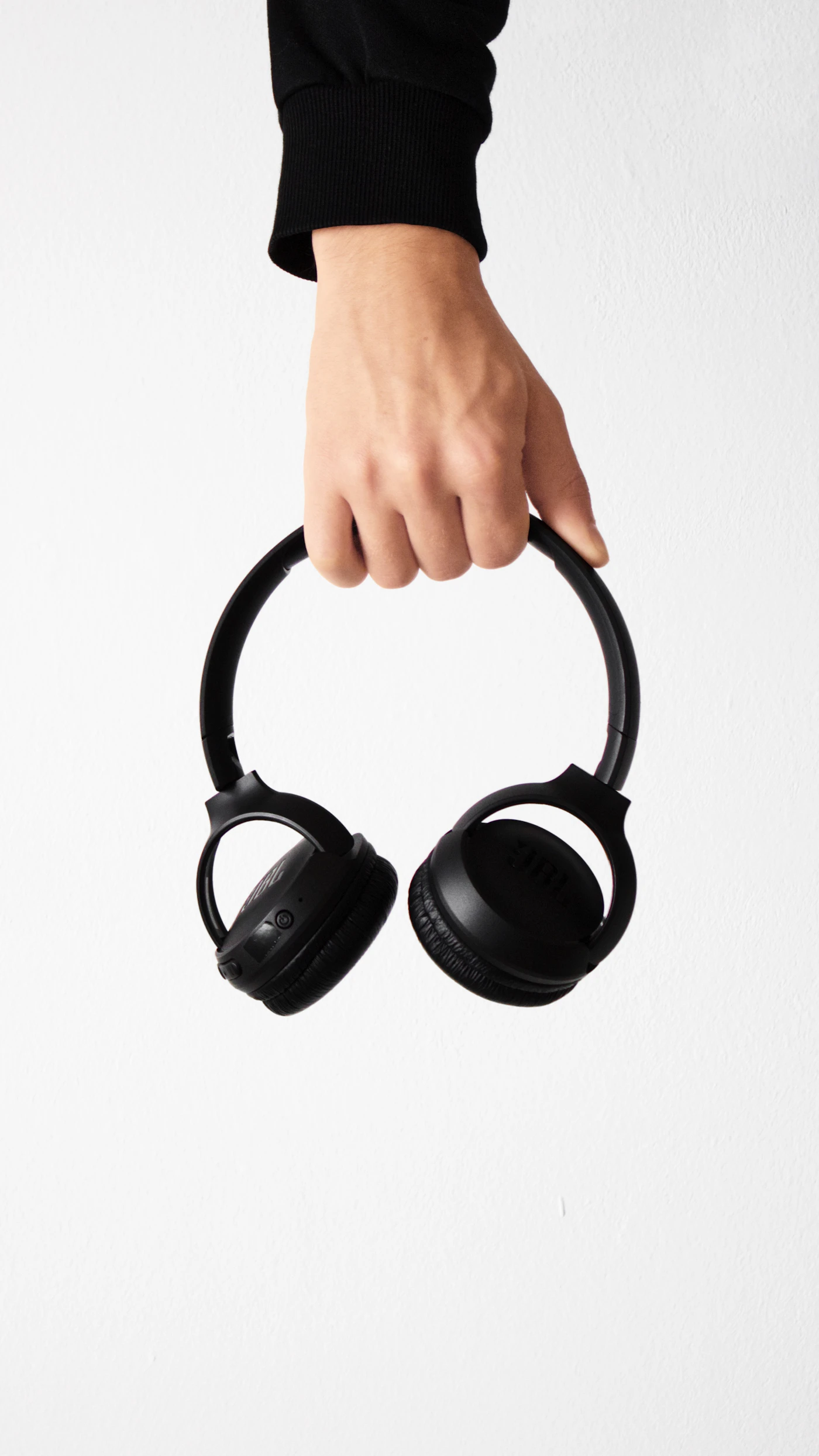

At the desk, everything initially seems fine. You open a spreadsheet, put on your reading glasses, and start a playlist. A little later, you keep shifting the headphones because the frame arms sit awkwardly beneath the pads. The product may be well made and still be the wrong shape for your everyday combination of glasses, hair, and headband.
For glasses wearers, comfort is a fit problem before it is a shopping category. There is no published specification that can reliably name the best headphone for every frame and head shape. Build a shortlist with suitable return conditions, then check the actual combination. This article offers ordinary fit considerations; it does not claim measured comfort results or medical benefits.
Bring the glasses you really wear
If you alternate between thin reading frames and heavier everyday glasses, check both. The arm thickness, hinge placement, and route behind the ear can interact differently with headphone pads. Sunglasses on the journey home deserve consideration too if they are part of your usual routine.
Try the headphones with your normal hairstyle and desk posture. Sitting upright in a shop for a minute is different from turning toward a second monitor or looking down at notes. The purchase should accommodate the way you work, rather than requiring you to redesign your day around the headphone.
| Fit checkpoint | What to observe | What it tells you |
|---|---|---|
| Frame arms beneath pads | Whether pressure is concentrated | The pad and frame combination may be unsuitable |
| Earcup opening | Whether the ear sits within the pad | Exterior cup size alone is not enough |
| Headband adjustment | Whether cups sit naturally at ear level | Extra adjustment range may be useful |
| Turning your head | Whether frames or cups shift | Stability matters beyond a static fit |
| Looking down at a keyboard | Whether the band slips | Check your actual posture |
| Switching glasses | Whether the fit changes substantially | One frame may suit the pair better |
Compare physical formats first
An over-ear headphone surrounds the ear, while an on-ear pad rests against it. Neither format guarantees a better result with glasses. A generous cup opening can help some people, but the pad still crosses the frame arm. An on-ear design changes where the contact occurs rather than removing contact altogether.
Sony’s WH-1000XM6 is an over-ear example listed in its specifications. Jabra’s Evolve2 65 Flex illustrates a work-focused headset arrangement worth examining if your day includes frequent calls. Choose between them according to the job first, then fit. A meeting headset that suits your workflow is not automatically a comfort upgrade over a music headphone.
Earbuds move the fit question away from a headband and earcup, which can be appealing when glasses contact is the recurring problem. Apple AirPods Pro 3 are one current example with several supplied tip sizes. You still need to decide whether inserted tips feel comfortable. Changing format exchanges one set of fit questions for another.
Make small adjustments, not structural changes
Adjust the headband evenly and settle the cups around the ears. Reposition your frames in their normal wearing position before judging the result. If a modest adjustment makes everything feel natural, note it so the routine is repeatable.
Do not stretch a new headband over a stack of books or bend the frames to accommodate a purchase. Those changes can damage equipment and complicate a return. If the combination only works after a dramatic modification, choosing a different headphone is usually the clearer decision.
Avoid assuming thicker aftermarket pads solve the problem. They can change the enclosure fit, interfere with a case, or alter the listening experience. Check whether the manufacturer supplies replacements first and verify the exact model compatibility. Replacement parts are useful information at buying time, even if you do not need them immediately.
Plan a meaningful comfort check
Use ordinary desk tasks during the return period, following the seller’s conditions. Read, type, watch a familiar video, and make a short call if that is part of the intended use. Check the fit periodically and remove the headphones when you want a break.
Keep brief notes in plain language: cups shift when looking down, frames remain stable, band needs another adjustment, or tips require frequent repositioning. These observations are more useful than inventing a comfort score. If the same inconvenience keeps returning, take it seriously rather than assuming a premium purchase must suit you.
What deserves your budget
An attractive finish and elaborate app do not resolve an awkward frame interaction. Spend first on the format, adjustable fit, clear return conditions, and repair or replacement options. Consider electronic features after that foundation is convincing.
If your current wired headphone is comfortable, replacing it purely to add wireless might create a new fit problem. If a current pair consistently interferes with glasses, another model with similar cup geometry may do the same. Make the next purchase a deliberate physical comparison rather than a brand upgrade.
Questions before checkout
Can the manufacturer guarantee glasses comfort? A broad comfort claim is not a guarantee for your frames. Inspect the dimensions where available, and prioritize your own fit check.
Should I use earbuds for every task? Only if their fit and controls suit you. They are a reasonable format to compare when earcup contact is the specific difficulty, but some buyers prefer keeping a comfortable desk pair and using earbuds only outside.
Read earbuds versus over-ear headphones and our ear-tip guide for the next decision in either direction.
Sources
Format and feature references checked October 4, 2026: Sony WH-1000XM6 specifications, Jabra Evolve2 65 Flex, and Apple specifications.
EXPLORE THE OPTIONS
Products worth a closer look
Compare the current specifications, local availability, and returns policy before deciding.
Sony WH-1000XM6
Best fit: Commuters who prefer over-ear headphones; A phone and laptop listening setup.
Why consider it: Wired listening offers another connection option; Multipoint supports two-device workflows.
The tradeoff: Over-ear storage takes more space than an earbud case; Fit with glasses requires an individual check.
Apple AirPods Pro 3
Best fit: Pocket-size listening with an iPhone; Buyers who want multiple included tip sizes.
Why consider it: Compact case suits small everyday bags; Included sizes allow a fit comparison before buying extra tips.
The tradeoff: Some functionality is limited with non-Apple devices; USB-C charge cable is sold separately.
Jabra Evolve2 65 Flex
Best fit: Laptop meetings; Hybrid workers comparing a purpose-built headset.
Why consider it: A boom microphone provides a dedicated voice input arrangement; A matched adapter can simplify the laptop connection.
The tradeoff: USB connector and platform variant must be checked before purchase; On-ear comfort is personal.
Sources & editorial notes
Manufacturer information checked on October 4, 2026. Features can vary by model and country. Confirm the exact version before purchasing. Lifestyle photos illustrate the setting; they do not document product testing.
Read our editorial policy