In a small kitchen, an appliance can be compact and still be inconvenient. The problem is often the space needed to open it, set down its parts, refill it, or prepare food beside it. Better storage starts by measuring those movements rather than finding a shelf for every closed box.
Give the easiest access to the machines you use most often. Store occasional tools where they can be retrieved comfortably. Before buying another organizer, identify which appliances actually earn their place and which ones interrupt the kitchen’s main job: making a meal.
Begin with a counter-space audit
Choose an ordinary dinner and walk through it without cooking. Where do you place groceries? Where do you chop? Where does a hot pan or removable basket rest? Where do washed items dry? Mark these areas with pieces of paper.
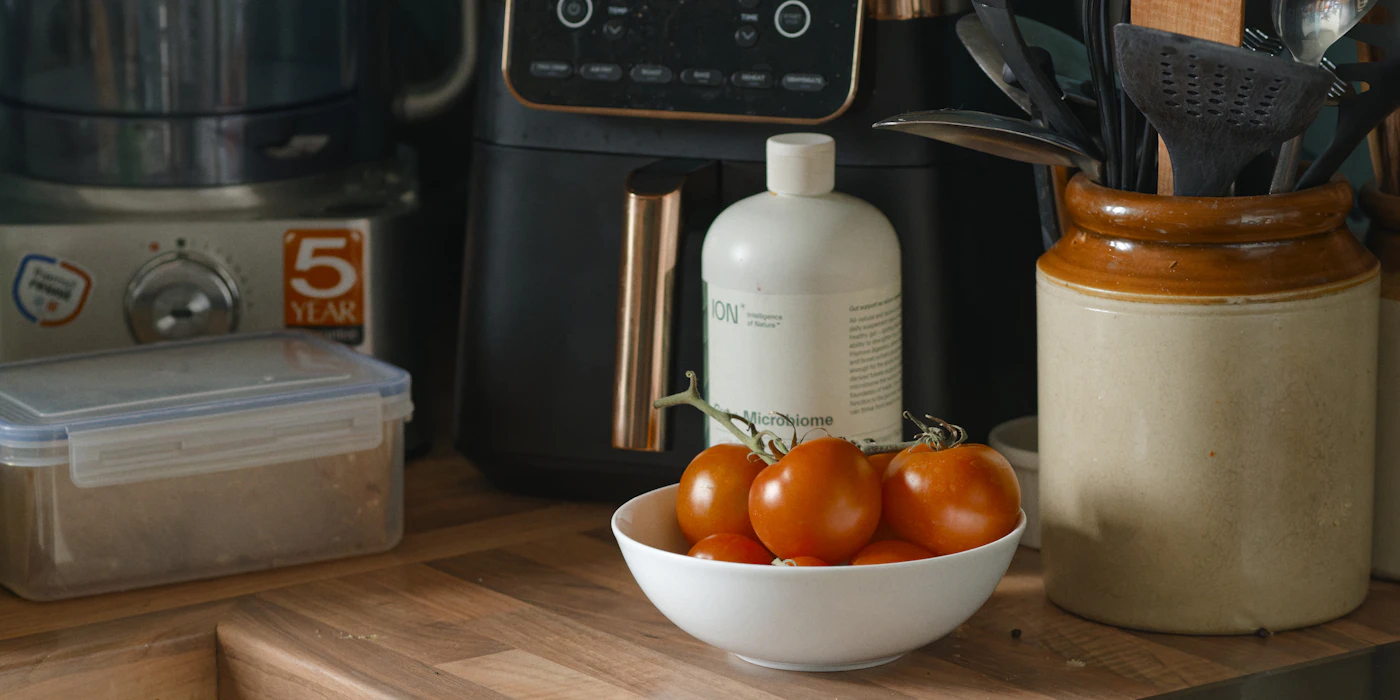
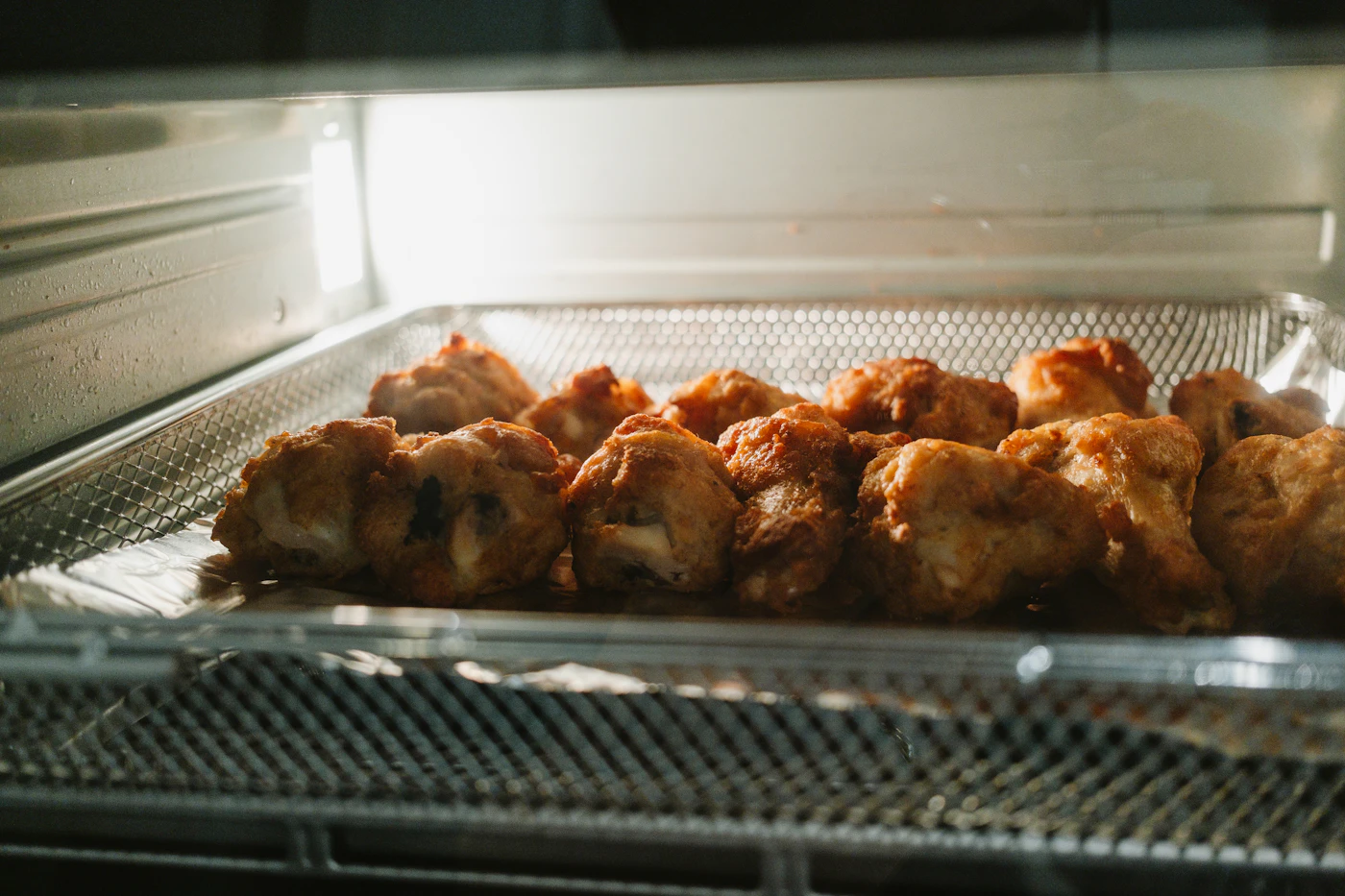
Now mark the appliances’ closed footprints. Add space for their doors, drawers, lids, and removable water containers. A coffee machine under a cabinet may fit until the refill lid opens. An air fryer drawer may extend into the only chopping area. A countertop dishwasher may occupy the route used to move dishes into the sink.
The audit should reveal at least one clear preparation area. If every surface has a permanent appliance, no storage system can fully fix the inconvenience. Consider moving an occasional tool before buying another cabinet shelf.
Sort by frequency and handling effort
Put equipment into three groups: daily or nearly daily, weekly, and occasional. Then note what each item weighs and how awkward it is to lift. Frequency alone is not enough; a heavy mixer may need a more accessible location than a light handheld tool even if both are used weekly.
Imagine a household using a kettle every morning, a rice cooker several evenings a week, and a blender on weekends. The kettle deserves an easy operating position. The rice cooker needs accessible storage and lid clearance. The blender can have a defined shelf if moving it is comfortable and the setup remains simple.
If an appliance is stored behind two others, count that as part of its routine. A machine that requires unpacking half the cupboard may receive less use than you expected. The solution can be a different shelf arrangement rather than a new, supposedly more convenient appliance.
Keep storage and operation separate
An appliance garage can hide equipment neatly, but an enclosed space is not automatically suitable for operating a hot appliance. Follow model-specific ventilation and placement instructions. Pull equipment into an approved operating position when required.
For example, the Breville toaster instruction booklet contains specific placement precautions. A countertop oven listing provides closed dimensions, but the corresponding manual is needed to evaluate operating clearance. Do not substitute a general organizing rule for those directions.
Likewise, use the correct rice cooker manual to plan lid access and the position of steam outlets. Shelving that fits the appliance’s body may still obstruct normal use. Keep flammable items, cords, and stored supplies away from areas the manufacturer says to keep clear.
Store the entire system, including accessories
A food processor is not just its base. It includes a bowl, lid, pusher, blades, and possibly discs. A countertop oven may add several trays. A hand blender kit can occupy more cupboard space than the narrow motor suggests.
Group compatible parts together and keep model information accessible. Store sharp pieces securely according to their instructions. Avoid combining attachments from different models in a single unlabeled bin, where compatibility becomes a guessing exercise.
| Equipment type | Storage question | Operating question |
|---|---|---|
| Coffee machine | Can the refill container be accessed? | Is there a cup landing area? |
| Basket air fryer | Where do the clean insert and basket belong? | Where does the hot drawer rest? |
| Food processor | Can blades be retrieved safely? | Is there room for bowl assembly? |
| Stand mixer | Can it be moved comfortably? | Is head or bowl-lift access clear? |
| Rice cooker | Are cup and spatula easy to find? | Does the lid open without obstruction? |
Deal with cords without creating a new problem
Use built-in cord storage if supplied and follow instructions for unwinding before operation. Keep appliance cords identifiable and away from sharp edges, wet areas, and hot surfaces as directed. An organizer should not pinch or damage a cord.
Do not assume a multi-outlet strip is an appropriate solution for several high-power kitchen appliances. Follow each appliance’s electrical requirements and obtain qualified advice when the kitchen’s outlet arrangement is unsuitable. Buying an additional machine should include evaluating where it will connect, not just where it will sit.
Buy organizers only after measuring
Shelf risers can help lightweight accessories, but check load ratings and shelf stability. A deep bin can hide items more effectively than it organizes them. Choose shallow, visible storage where it suits the parts, and keep cleaning supplies separate from food and beverage ingredients.
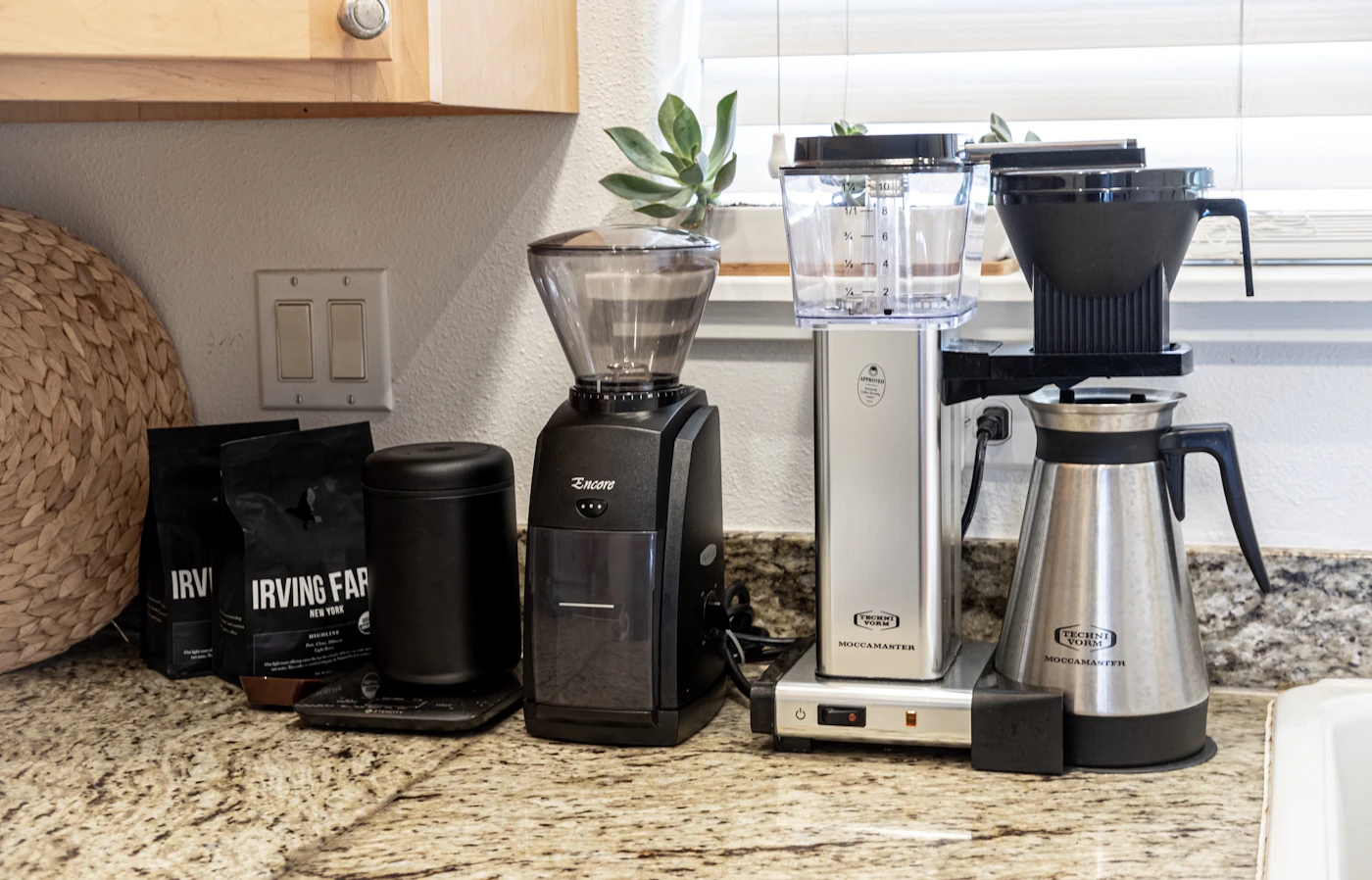
A tray can gather small coffee items, but it should leave enough space to use and clean the station. Our compact coffee station guide gives a sequence-based layout. The blender versus processor guide helps decide whether two separate bases are needed at all.
Use a one-week check
For a week, notice each time you move something to start another task. Repeated movement identifies the least useful permanent position. Adjust one appliance at a time so you can judge whether the kitchen becomes easier to use.
Before ordering new equipment, mark its full working area and accessory storage. Buy only when you can name the recurring job and the place it will happen. A small kitchen becomes more capable when its gear supports preparation instead of competing with it.
Sources & editorial notes
Manufacturer information checked on October 4, 2026. Features can vary by model and country. Confirm the exact version before purchasing. Lifestyle photos illustrate the setting; they do not document product testing.
- breville.com — reference information
- assets.breville.com — reference information
- zojirushi.com — reference information